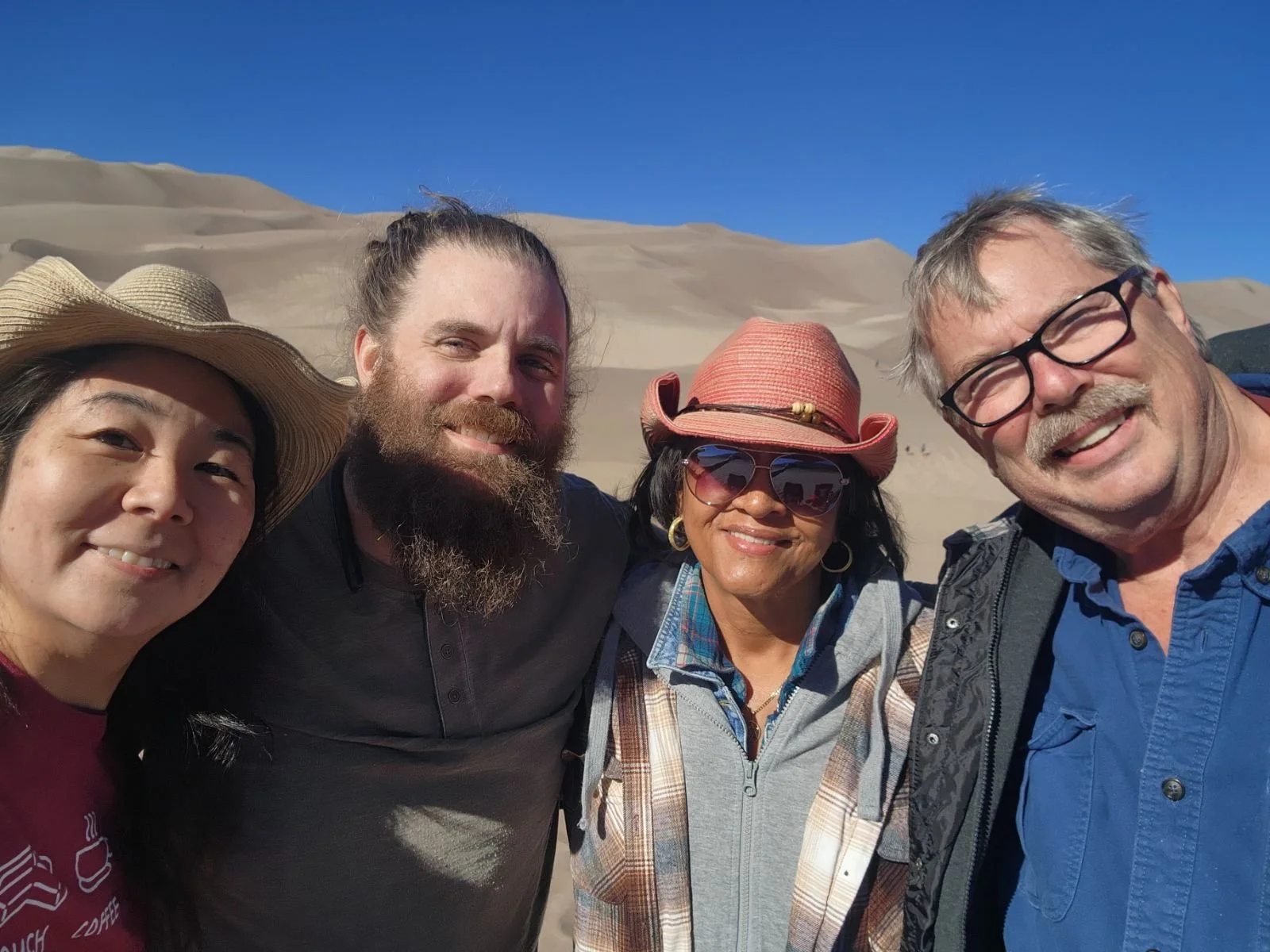
Meet Robert
A Life of Service
Service has been the through-line of my life—learned at home, strengthened in the U.S. Navy, and carried forward through my work in the community.
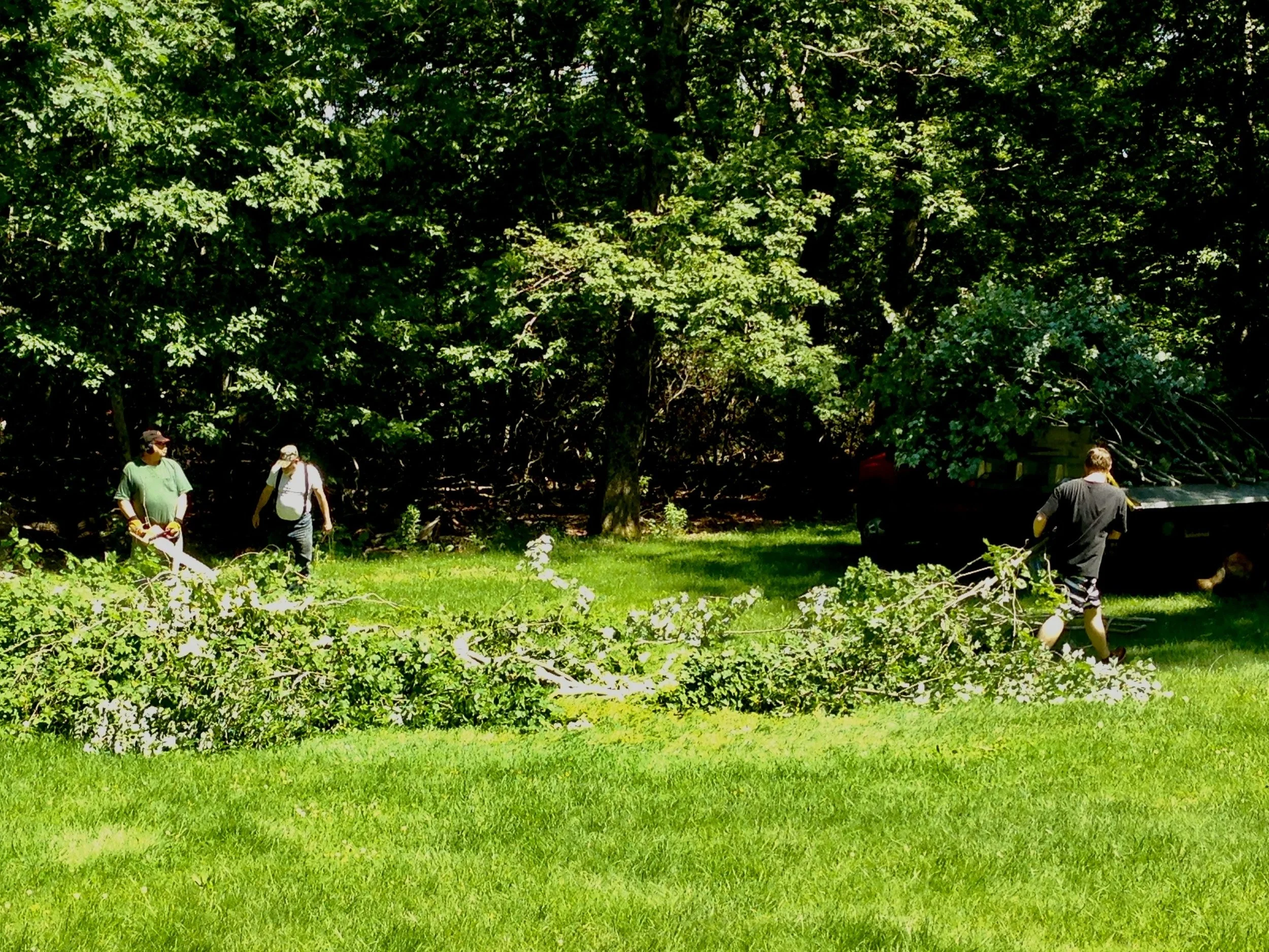
There was a man named Al who isn’t my uncle by blood, but he’s family. Al fixed boat hulls up and down the East Coast, and work wasn’t always consistent. At first, my dad and I helped him convert the back of his pickup into a small camper so he’d have a place to sleep.
About a year later, my dad and I were hanging sheetrock in the basement, building out a room. My dad looked at it and made a simple decision: this room should be Al’s bedroom. Al moved in with us for years, until he got back on his feet and bought his own home.
That’s the kind of example I grew up with: help people in a way that preserves dignity, and help them in a way that actually solves the problem.
That mindset followed me into adulthood. I volunteered because I needed my work to mean something—serving as an ESL speaking partner, volunteering with food programs, and showing up where I felt I could help. Eventually, I chose nonprofit work because I wanted service to be more than something I did on the side.
Today my work is delivering school supplies directly to teachers. The premise is simple: get supplies where they’re needed. But executing that simple idea takes real work—planning, storage, coordination, and follow-through. That commitment to practical service is what I bring to everything I do.
My parents were metalworkers. They met at Electric Boat in Groton, Connecticut, building submarines. Growing up around that kind of work teaches you something simple: when something matters, you don’t talk about it forever—you do the work, even when it’s hard.
I learned to weld when I was 14. You can make a lot of friends fixing clunkers with busted mufflers.
That “do the work” mindset followed me into warehouse jobs, where I learned logistics, operations, and what it takes to keep the right things in the right place at the right time. It’s unglamorous work, but it’s the kind of work that makes everything else possible.
Over time I learned something I didn’t expect: execution is a skill. A plan is only as good as the follow-through. Whether you’re patching a muffler, moving equipment, or organizing resources so people can actually use them, results come from discipline, coordination, and doing the hard parts consistently.
That’s the work ethic I live by, and it’s the standard I bring to public service.
Blue-Collar Work Ethic
Do the work. Deliver the results.
(Dad, Al, and me clearing up a fallen tree)